

What You Need to Know
- Our bodies are exposed to high levels of synthetic chemicals and toxins that can build up in tissues and interfere with normal function
- Detoxing has benefits such as increased energy, improved immune function, reduced inflammation, and improved digestive health
- Your body has its own detoxification systems through the liver, kidneys, skin, and lungs that can be overwhelmed by the amount of toxins we are exposed to today
- Regular, gentle detoxification practices can help reduce the amount of toxins in your body and improve overall wellbeing
- Simple strategies like changing your diet and drinking more water can support natural detox processes without extreme measures
Every day your body is fighting a battle against toxins that you can’t see.
Detoxing your body isn’t just the newest health fad – it’s a response to a modern crisis of chemical overexposure.
We’re dealing with an unprecedented toxic burden, with over 80,000 synthetic chemicals in commercial use and less than 10% that have been fully safety-tested. Toxins have become an unavoidable part of modern life, from the air we breathe, to the food we eat, to the products we use. This makes detoxification more important than ever before.
The Modern World: Why Our Bodies Are Struggling
Your body is an incredible self-cleaning system with advanced detoxification mechanisms. However, we have been bombarded by an unprecedented amount of man-made chemicals, heavy metals, air pollutants, and processed foods that our bodies weren’t designed to process effectively.
The average individual now has hundreds of detectable chemicals in their bloodstream – many of which weren’t even around 50 years ago.
These toxins can build up faster than your body can get rid of them, leading to a toxic overload that can cause symptoms like fatigue, brain fog, digestive problems, and even chronic illnesses.
The Environmental Working Group has found that even newborns are born with an average of 287 chemicals in their umbilical cord blood, showing just how widespread these toxins are.
The Unseen Poison Dilemma: What’s Really Around You
Many people don’t realize the level of toxic exposure they encounter each day. From the morning shower (with chlorinated and likely fluoridated water and chemical-filled personal care products) to the commute (inhaling car fumes) to meals (pesticides, food additives, and packaging chemicals), we’re continually gathering substances that our bodies need to process and remove.
It’s the cumulative effect that’s concerning. A 2022 study published in the Environment International journal found that exposure to mixtures of common chemicals, even at levels currently considered “safe,” can disrupt hormonal function and cellular processes when combined.
This means that even small exposures to multiple chemicals can have significant health impacts.
The Boom of Synthetic Chemicals After the 1950s
After World War II, there was an explosion of synthetic compounds that were never found in nature before. While many of these chemicals have improved our lives, their long-term health effects weren’t thoroughly examined before they were widely used.
The EPA states that since 1950, chemical production has increased over 40 times, and global chemical sales are expected to double from 2017 to 2030.
Chemical Production Growth Since 1950
1950: 7 million tons
1975: 63 million tons
2000: 159 million tons
2022: 300+ million tons
Source: American Chemical Society & Global Chemical Industry Council estimates
Many of these chemicals are known to cause serious health problems.
Phthalates, which are found in plastics and personal care products, can cause reproductive issues and disrupt hormones.
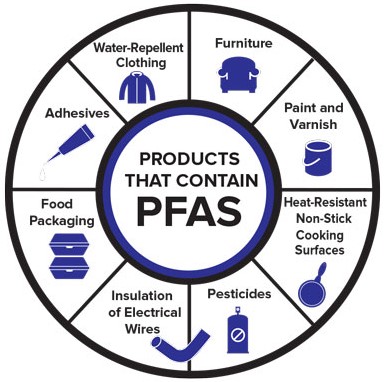
“Eliminating Harmful PFAS and Other …” from www.eany.org and used with no modifications.
PFAS (per- and polyfluoroalkyl substances), which are used in non-stick cookware and water-resistant products, have been linked to cancer and damage to the immune system.
These “forever chemicals” can stay in the body and environment for many years.
Unexpected Everyday Sources of Toxins
Aside from the obvious sources of pollution, there are toxins hiding in places you’d never suspect.
That new piece of furniture you just bought? It’s probably releasing formaldehyde and flame retardants into your home.
That receipt you just handled? It has BPA on it that can be absorbed through your skin.
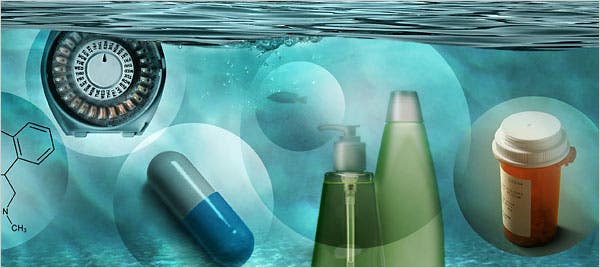
“Water Pollution – Drugs and Household …” from www.nytimes.com and used with no modifications.
Even the water you get from your city’s water supply isn’t as clean as you might think. It often contains traces of pharmaceuticals, heavy metals, and byproducts from disinfection processes that your body has to filter out.
According to the Environmental Protection Agency, the air inside our homes can be more polluted than the air outside. They estimate that indoor air can be two to five times more polluted than outdoor air.
Indoor air pollution comes from sources like cleaning products, air fresheners, cooking, mold, and off-gassing from furniture and building materials. This is especially concerning when you consider that most people spend about 90% of their time indoors.
Even foods that are considered natural can still contain traces of pesticides. The Environmental Working Group’s Dirty Dozen list showcases the conventional produce items that are most likely to contain high levels of pesticide residues.
For example, a single strawberry can contain residues from as many as 13 different pesticides. Similarly, the average apple has been found to contain residues from at least 4 different pesticides.
The Way Toxins Build Up in Fat Cells and Tissues
Many environmental toxins are lipophilic (fat-loving), which means they gravitate towards and are stored in your fatty tissues instead of being flushed out. One study found that these fat-soluble toxins can linger in your body for years or even decades after exposure. This is why even those who live healthily may still experience signs of toxicity.
When you’re losing weight, the toxins stored in your fat cells are reintroduced into your bloodstream as those fat cells shrink. This “mobilization effect” can temporarily raise the levels of toxins in your blood, sometimes leading to detox symptoms during weight loss.
Your liver then has to deal with these toxins that are circulating again, which is why it’s especially important to support your liver and detoxification when you’re trying to lose weight.
Signs Your Body May Be Overloaded with Toxins
When your body’s detoxification systems are overwhelmed, it will send you clear signals. If you’re constantly tired and rest doesn’t seem to help, this could indicate that your metabolism is being disrupted by a high level of toxins.
Neurotoxins can affect your cognitive function, leading to symptoms such as brain fog, headaches, and difficulty concentrating.
Skin problems such as acne, rashes, and premature aging are often a sign that your body is trying to get rid of toxins through your skin, which is your largest elimination organ.
If you are suffering from digestive issues like bloating, constipation, and food sensitivities, it might be due to inflammation in your gut and a lack of proper detoxification.
Joint pain, muscle aches, and general inflammation can also be caused by toxic compounds triggering immune responses.
If you are experiencing a number of these symptoms even though you are eating well and living a healthy lifestyle, it might be due to a buildup of toxins in your body.
Understanding Your Body’s Built-In Detox System
Despite what some people might tell you, your body is equipped with a complex detoxification system that works around the clock to identify, neutralize, and get rid of harmful substances.
By understanding how these natural mechanisms work, you can make lifestyle choices that support their function instead of impeding it.
The Liver: Your Body’s Main Detoxification Organ
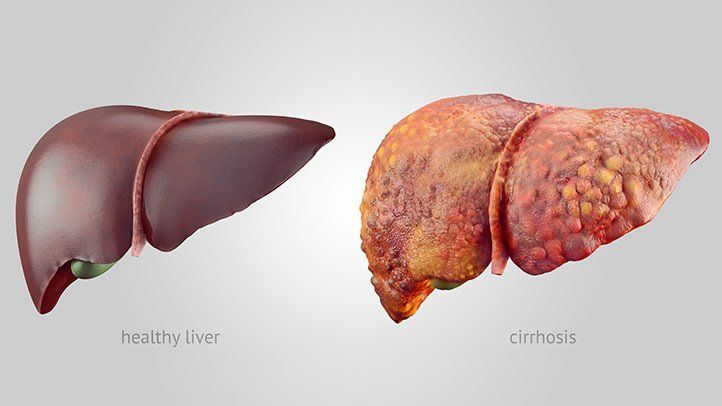
“What Is Cirrhosis? Symptoms, Causes …” from www.everydayhealth.com and used with no modifications.
Your liver acts as your body’s primary chemical factory, using intricate two-step detoxification processes to neutralize harmful substances.
During Phase I, liver enzymes alter toxins through oxidation, reduction, and hydrolysis to make them more water-soluble.
Phase II then joins molecules to these altered toxins (conjugation) to make them less harmful and easier to remove from the body.
In order for your liver to perform its functions at the best level, it needs a good amount of nutrients. These include B vitamins, amino acids, glutathione, and antioxidants.
If your liver doesn’t get these nutrients, the detoxification processes slow down. This can cause a buildup of partially processed toxins that can be more harmful than the original compounds.
So, if you want to have an effective detoxification program, you need to make sure your liver is functioning properly.
How Kidneys, Skin, and Lungs Help in Detoxification
Your kidneys are incredibly efficient. They filter your entire blood volume approximately 60 times every day, removing water-soluble waste and maintaining electrolyte balance.
This process is why hydration is so crucial. Drinking water helps your kidneys filter toxins more efficiently.
Your skin expels toxins through sweat, which can contain small amounts of heavy metals, BPA, and other environmental chemicals. Research has shown that induced sweating can help get rid of certain persistent compounds that resist other elimination routes.
The lungs expel gaseous toxins with each breath and can be supported through deep breathing exercises that enhance oxygen exchange and carbon dioxide elimination.
Why Our Natural Systems Can’t Handle Modern Toxin Levels
Our innate detoxification systems are intended to deal with toxins that naturally occur in plants, bacteria, and occasional environmental exposures.
The sudden introduction of thousands of synthetic chemicals in the past century has overwhelmed these systems, as they were not designed to handle the amount and variety of toxins we now face every day.
What’s even more alarming is the way some modern toxins can directly interfere with detoxification pathways.
Heavy metals such as mercury and lead can attach to the enzymes necessary for detoxification, creating a hazardous cycle where toxins inhibit the very systems designed to remove them.
Pesticides, plastics, and preservatives can also disrupt liver function, hormonal signaling, and the production of cellular energy necessary for effective detoxification.
7 Game-Changing Advantages of Regular Detoxing

“Fun Group Outdoor Activities For Adults …” from red-equipment.co.uk and used with no modifications.
Lessening your body’s toxic load through strategic detoxing provides a broad spectrum of benefits that go much further than just temporary relief from symptoms.
These enhancements come from lessened stress on cells, better metabolic function, and improved biological operations all over the body.
1. Increased Energy and Mental Alertness
Your cells can work better when they’re not overwhelmed with the task of processing and storing toxins.
Mitochondria, which are your cells’ energy factories, are particularly susceptible to damage from toxins. By lowering your exposure to toxins and aiding detoxification, you’re helping these essential energy creating organelles generate energy more effectively, which leads to a noticeable boost in your energy levels.
As the neurotoxins that impact cognitive function are removed, mental clarity improves. During detoxification, many people notice their “brain fog” lifting, and they experience improved memory, focus, and cognitive processing.
This makes sense, given that the brain’s high fat content makes it a primary storage site for lipophilic toxins when they cross the blood-brain barrier.
2. Boosted Immune System
When your immune system is busy dealing with toxins, it can’t focus on its main job of fighting off pathogens and keeping an eye on abnormal cells.
Research published in the Journal of Autoimmunity shows that certain environmental toxins can trigger autoimmune responses by changing proteins in ways that mess with the immune system’s ability to recognize them.
By lessening your toxic load, you’re freeing up your immune system’s resources and reducing unnecessary immune activation.
Many people have reported fewer colds and infections after going through detoxification processes, which is a testament to improved immune efficiency.
3. Lowered Inflammation and Discomfort
Chronic inflammation is a common factor in many modern diseases, and environmental toxins are powerful triggers of inflammation.
By removing these inflammation-causing compounds, you tackle a primary source of systemic inflammation. This frequently results in decreased joint discomfort, muscle aches, and inflammatory conditions that previously appeared to be untreatable.
3. Less Inflammation and Pain
Chronic inflammation is a common factor in most modern diseases, and environmental toxins can significantly trigger inflammation.
Removing these inflammation causing toxins, often leads to less joint pain, muscle soreness, and inflammatory conditions that previously seemed untreatable.
Studies published in the Scientific Reports journal show that persistent organic pollutants directly activate inflammatory pathways that increase cytokine production and oxidative stress. When these compounds are eliminated during detoxification, inflammation markers usually decrease, which can relieve pain and discomfort.
4. Improved Digestion and Nutrient Absorption
Given that your digestive tract comes into direct contact with environmental toxins through the food and water you consume, it’s particularly susceptible to toxic damage.
Many have reported significant improvements in their digestion after detoxing, including less bloating, more regular bowel movements, and fewer food intolerances.
These enhancements come from lessened inflammation in the gut, a rebalanced gut microbiome, and improved health of the intestinal lining.
As the gut’s function gets back to normal, the absorption of nutrients improves, creating a positive cycle where better nutrition further supports the pathways of detoxification.
5. Improved Skin Clarity and Anti-Aging Benefits
The condition of your skin is a mirror image of your internal health, especially your level of toxicity and inflammation.
When your body’s internal detoxification processes are overworked, your body can sometimes use your skin as a backup elimination route, causing acne, rashes, and premature aging.
People who have taken steps to support their body’s detoxification processes often see a marked improvement in their skin within a few weeks.
As the level of toxins in the body decreases and inflammation begins to subside, many people notice that their skin has a “glow” to it and a smoother texture than they could achieve with topical products alone.
The connection between the health of the liver and the health of the skin is so strong that many dermatologists often recommend liver-supporting supplements for chronic skin conditions.
6. Better Sleep
Toxins can mess with the delicate balance of chemicals in your brain that control when you sleep and when you wake up.
Hormone-disrupting chemicals like BPA and phthalates have been shown to mess with the production of melatonin and the regulation of your body’s internal clock. Heavy metals can also build up in parts of your brain that control sleep.
When these toxins are removed, many individuals notice that they are able to achieve a deeper, more restful sleep without the use of drugs. This improvement in turn, creates a positive cycle, as good sleep further aids in detoxification.
Your brain’s glymphatic system, which is responsible for removing cellular waste and toxins, is most active during deep sleep.
7. Assistance with Weight Management
Some environmental toxins are known as “obesogens” because they can mess with your metabolism and fat storage. These substances can cause weight gain by messing with the hormones that control your appetite, increasing the formation of fat cells, and messing with the way your body processes glucose.
Research has shown that the presence of certain persistent organic pollutants in the body can make weight loss difficult, even when consuming fewer calories.
Detoxification can help address these metabolic disruptors, making it easier to lose weight and improve body composition. A study in the International Journal of Environmental Research suggests that supporting the body’s detoxification pathways could be a key component of effective weight management strategies.
Detox Methods That Are Backed by Science
You don’t have to go to great lengths or spend a lot of money to detoxify your body effectively. The most proven methods are those that limit the amount of toxins you take in and help your body get rid of the toxins it already has. When you use these methods together, they can have a greater effect.
Detoxifying Foods: Natural Cleansers in Your Diet
There are specific foods that naturally contain elements that can trigger detoxification enzymes and pathways in the body.
Cruciferous vegetables, such as broccoli, cauliflower, and Brussels sprouts, contain sulforaphane, a compound that boosts Phase II liver detoxification.
Foods like garlic, onions, and leeks offer sulfur compounds that are crucial for the production of glutathione, the body’s primary antioxidant and detoxifier.
Eating bitter foods like arugula, dandelion greens, and artichokes can help to stimulate bile flow, which can help your body to eliminate toxins through the digestive tract.
Cilantro and chlorella are known to bind to heavy metals, helping your body to remove them. By including these detox-supporting foods in your daily diet, you can provide your body with ongoing support without the need for intense cleanses.
Here are some detox foods that you should include in your diet regularly, as they can help protect your health by reducing exposure to harmful chemicals found in everyday products, similar to the findings in the Teen Girls’ Body Burden study.
- Vegetables from the cabbage family (like broccoli, cauliflower, kale, and Brussels sprouts)
- Alliums (like garlic, onions, leeks, and shallots)
- Leafy greens with a bitter taste (like dandelion, arugula, and endive)
- Herbs and spices (like turmeric, ginger, parsley, and cilantro)
- Berries (especially blueberries, strawberries, and blackberries)
- Citrus fruits (especially lemon, lime, and grapefruit)
- Green tea and herbal teas (like dandelion, milk thistle, and burdock)
- Fermented foods (like sauerkraut, kimchi, and kefir)
The Ancient Detox Secret: Intermittent Fasting
Intermittent fasting triggers cellular cleaning mechanisms that don’t get activated when you’re always eating. Autophagy, the self-cleaning process of your cells, increases dramatically when you’re fasting, which helps remove damaged cellular components and improve overall function. This ancient practice is backed by modern science for its detoxification benefits.
No need for long fasts to reap rewards, even time-restricted eating patterns (such as limiting your food consumption to an 8-10 hour window each day) can boost detoxification processes.
Starting with a 12-hour overnight fast (like finishing dinner at 7 PM and having breakfast at 7 AM) provides gentle detoxification support with little disruption to your lifestyle.
Drinking Water: A Simple and Effective Detox Method
Proper hydration is probably the easiest and most overlooked detox aid. Water fuels almost every detox process, from diluting toxins for kidney filtration to helping lymphatic movement and sweat production.
The often recommended 8 glasses a day is a good starting point, but individual needs can vary depending on activity level, climate, and body size.
It’s not just about how much you consume, but also what you consume. Drinking filtered water can decrease your exposure to additional toxins, and adding a lemon can provide citrus bioflavonoids that help your liver function properly.
Herbal teas such as dandelion root, milk thistle, and burdock can provide extra detoxification compounds. If you stay well-hydrated, you can create an internal environment that allows detoxification to proceed efficiently without putting stress on your elimination organs.
Advanced Detoxification Techniques for More Thorough Purification
After laying the groundwork for detoxification through food choices, drinking plenty of water, and making healthy lifestyle decisions, you might want to delve into more specialized techniques for certain issues or more thorough purification. These techniques can be especially beneficial for dealing with toxins that have built up due to past exposures or specific health problems.
Specialized Detox: Liver, Kidney, and Colon Support
Detoxes that target specific organs can give concentrated support where it’s needed the most. Liver detoxes usually blend detoxifying foods with particular herbs such as milk thistle, dandelion, and artichoke extract that have scientifically proven benefits for liver function. These plants protect liver cells while enhancing bile flow and enzyme activity that are vital for processing toxins.
The process of kidney detoxification involves drinking more water and using herbs like nettle, juniper berries, and marshmallow root that help the kidneys filter toxins and keep the urinary tract healthy.
On the other hand, colon detoxification involves eating foods rich in fiber, taking probiotics, and sometimes using certain types of clay or activated charcoal that can attach to toxins in the intestines, preventing them from being reabsorbed.
Those who think they may have accumulated heavy metals in their body could benefit from specialized detox methods that use natural binding agents such as modified citrus pectin, chlorella, or a clinically-supervised chelation.
These methods should always be adjusted to the individual’s needs and health condition, ideally under the guidance of a health professional.
Sauna Therapy: The Hot Way to Rid Your Body of Toxins

“EuropeSpa Blog: Why go to the sauna to …” from europespa.eu and used with no modifications.
Regularly using a sauna triggers a kind of hyperthermia that is controlled and increases circulation to the parts of your body where toxins build up. This increase in blood flow, along with the heavy sweating that comes with it, helps to get rid of compounds that are resistant to other methods of detoxification.
A study in the Journal of Environmental and Public Health found that sauna therapy was effective in getting rid of heavy metals, BPA, and other pollutants that stick around for a long time through sweat.
Whether you opt for a traditional Finnish sauna, an infrared sauna, or a steam room, you’re in for a treat. Infrared saunas may be able to penetrate tissues more deeply, while producing less external heat stress.
If you’re new to the sauna game, start with short sessions of 5-15 minutes and slowly increase your time as your tolerance builds. It’s crucial to stay hydrated before, during, and after your sauna session. Replacing minerals through diet or supplements is also important.
Red Light Therapy: The Cutting-Edge Science of Cellular Detoxification
New studies indicate that certain wavelengths of far-red and near-infrared light can improve cellular detoxification by encouraging mitochondrial function.
These light frequencies boost cellular energy production (ATP), which fuels detoxification processes. They also enhance blood flow and lymphatic circulation without causing heat stress, making this method appropriate for individuals who are sensitive to heat.
While the cost and availability of red light therapy devices for home use are improving, the quality can be inconsistent. For the best detox support, search for devices that offer documented wavelengths in the 630-670nm (red) and 830-850nm (near-infrared) ranges. Even if you only use the device for 5-10 minutes a day, you can still reap the cumulative benefits if you use it regularly.
Zeolites and Binders: Trapping Heavy Metals
Natural binding compounds can trap toxins in the digestive tract for removal, stopping them from being absorbed or reabsorbed during detoxification. Clinoptilolite zeolite, a naturally occurring volcanic mineral with a structure similar to a honeycomb, has a special liking for heavy metals and has been researched for its capability to lessen body load of lead, mercury, and cadmium.
Activated charcoal is another powerful binder, especially for organic toxins and certain mold-based mycotoxins.
Bentonite clay is excellent for binding to pesticides and heavy metals, while modified citrus pectin has been clinically proven to remove heavy metals without depleting the body of essential minerals.
To avoid unwanted interactions, these binders should be consumed separately from meals and medications.
Chelation Techniques: When to Seek Medical Assistance
If you have a high level of heavy metals in your body, you might need professional chelation therapy overseen by a doctor. This method uses substances that strongly attach to certain metals, creating complexes that can be expelled through urine or feces.
There are both natural and pharmaceutical chelating agents, and they vary in selectivity and strength. For further insights, you can explore the effects of decontamination procedures.
Medical chelating agents such as EDTA chelation, DMSA, and DMPS are typically used for confirmed cases of heavy metal toxicity.
These strong methods need professional supervision of kidney function and mineral status.
For most individuals, milder strategies using food, supplements, and changes in lifestyle offer enough detoxification support without the dangers related to intensive chelation.
Designing Your Own Detox Regimen
Detoxing is a highly personal process that can be influenced by your specific exposures, your genetic ability to detoxify, your current health, and your lifestyle choices. You’ll get better results by designing a plan that addresses your unique needs rather than following a one-size-fits-all approach.
Why You Need to Know Your Toxic Load Before You Detox
Before you start any detox program, it’s important to do some tests to get a baseline and identify any specific issues. Comprehensive blood tests can show you how well your liver is working, whether you have any inflammation, and whether there are any toxins in your blood.
More specialized tests like hair analysis for heavy metals, urine tests for organic acids, and environmental toxin panels can give you more detailed information about what you’ve been exposed to and how well your body is able to detoxify itself.
Listen to your body. It often tells you when it’s overloaded with toxins. Tiredness, confusion, unexplained weight changes, skin problems, and sensitivity to chemicals usually mean you’re carrying a toxic load.
Keep an eye on these signs before, during, and after detoxing. They can give you useful information about how you’re doing and what you need. For more insights on how chemicals can affect your health, check out this research on hormone-altering chemicals.
Choosing Between Gentle and Intensive Detox: What’s Best for You?
Many people find that a gentle, steady detoxification regimen is more effective in the long run than intense cleansing.
Simple daily habits like drinking plenty of water, eating foods that aid in detoxification, exercising regularly, getting a good night’s sleep, and managing stress can help your body get rid of toxins without overloading your system.
This approach is especially beneficial if you have chronic health problems, are extremely sensitive, or have a low detoxification capacity.
Creating Lasting Detox Routines
Effective detoxification is about creating habits that you can stick with long-term, not short-lived routines. Start by identifying the easiest changes that will have the biggest impact on your individual circumstances. This could be as simple as drinking filtered water, incorporating a daily serving of cruciferous vegetables into your diet, or setting up a regular sleep schedule that promotes detoxification while you sleep.
Instead of trying to make drastic changes all at once that are hard to maintain, slowly improve your habits. Each positive change you make will have a ripple effect, making it easier to make more improvements. By regularly giving your body the support it needs, you can prevent toxins from building up and avoid needing to do a more intense detox later.
Detox and Beyond: Everyday Ways to Minimize Toxin Exposure
The best way to detoxify is to stay away from toxins in the first place. While it’s impossible to avoid all toxins in the modern world, making smart choices can greatly reduce the amount of toxins you’re exposed to.
Every exposure you avoid means less work for your detoxification systems and less chance of harmful effects.
Healthy Food Choices That Reduce Toxin Exposure
One of the biggest sources of toxins that you can control is your food. Choosing organic foods is a great starting point, but if it’s not easily available in your location or it’s a bit of a strain on your budget, follow the Dirty Dozen list.
The Dirty Dozen list is provided each year by the Environmental Working Group (EWG) that names and shames the 12 foods with the most pesticide residues, check them out here. You can either avoid those food entirely or make sure you purchase the organic version of these 12 foods.
If you choose animal products that are pasture-raised, you can also reduce your exposure to antibiotics, hormones, and the concentrated pesticides that animals get from conventional feed.
Home Detox: Ridding Your Home of Hidden Toxins
Your home can either promote your health or add to your toxic load. Traditional cleaning products contain ingredients that can irritate your respiratory system, disrupt your endocrine system, and harm your nervous system.
They leave residues on your surfaces and pollute your indoor air. By changing to plant-based cleaners or basic ingredients like vinegar, baking soda, and essential oils, you can significantly reduce your exposure to these harmful substances.
The air we breathe is incredibly important, given that we inhale and exhale around 20,000 times each day. High-efficiency particulate air (HEPA) filters help to remove particulate pollutants from the air, while activated carbon filters are used to trap volatile organic compounds (VOCs) and other gaseous toxins.
Certain houseplants, such as snake plants, peace lilies, and Boston ferns, can naturally filter out specific air pollutants and also add oxygen to the air.
Another major source of exposure is water filtration. At least, filtering drinking water removes chlorine, some heavy metals, and many pharmaceutical residues.
More advanced filtration systems can address fluoride, microplastics, and other concerning contaminants, providing comprehensive protection for all household water uses.
Substituting Personal Care Products for Reduced Body Load
Every day, the typical individual applies a plethora of chemical components to their skin via personal care products and makeup.
The skin is porous and so, these substances can be absorbed straight into the bloodstream, avoiding the liver’s initial detoxification process.
By switching to clean beauty and personal care products that contain a small number of easily identifiable ingredients, you can significantly decrease this load.
Why You Need a Digital Detox: Dealing with Electromagnetic Stressors
Wireless technology isn’t a chemical toxin, but the electromagnetic fields (EMFs) it produces are another form of stress that can affect your body’s detoxification.
To help your body detoxify, create tech-free zones in your bedroom, put your devices in airplane mode when you can, and take regular breaks from looking at screens. This gives your nervous system time to recover, which supports your body’s overall detoxification processes.
Regain Your Health by Planning Your Detoxification
Detoxing your body has a wide range of benefits, touching almost every area of health and wellness. By boosting your body’s natural detox systems and reducing new exposures, you set the stage for the best functioning and resilience. This is not about achieving perfect purity in an imperfect world, but about making smart decisions that lessen your toxic load enough to allow your body’s amazing healing abilities to come forward.
Q&A
With the growing popularity of detoxification in our world full of chemicals, a lot of questions come up about the best methods, the benefits, and how to practically apply it. Here are answers to some of the most frequently asked questions about detoxifying your body.
These scientifically backed answers help you navigate through the noise of marketing to offer practical advice for efficient, long-lasting detox.
How frequently should I detoxify my body?
Instead of doing intense detox cleanses every once in a while, you can try to incorporate detoxifying habits into your daily routine. This can include things like focusing on REAL healing foods, staying hydrated, exercising regularly, getting daily sunlight (or daylight) exposure, and getting plenty of sleep. This will help prevent the buildup of toxins in your body.
If you opt for doing a cleanse, it’s best to do it during the change of seasons. This is when your body naturally wants to detoxify itself, so it’s a good time to give it a little extra help. Plus, doing it four times a year is often enough to keep your body healthy without causing too much stress.
Instead of adhering to rigid timetables, pay attention to what your body is telling you. If you’re experiencing heightened symptoms of toxicity, unexplained tiredness, changes in digestion, or skin problems, your body may be signaling that it needs more detox support.
Before you start mobilizing stored toxins, make sure you’re doing everything you can to support elimination pathways so you don’t end up recirculating and reabsorbing them.
Does detoxing aid in the treatment of chronic health problems?
Many chronic illnesses are linked to environmental toxicity, although it is seldom the sole cause.
According to a study published in the Toxicology journal, there is a link between exposure to toxins and conditions such as autoimmunity, neurological disorders, hormone imbalances, and metabolic dysfunction.
These conditions often improve when the toxic load is reduced, even if they are not completely resolved.
Is it normal to have detox symptoms and what should I anticipate?
As toxins are released from storage tissues into circulation for elimination, you may experience temporary increases in fatigue, headaches, skin breakouts, or digestive changes.
However, if you have severe or prolonged symptoms, it could mean your detoxification is going too fast or your elimination pathways are overwhelmed.
The usual solution is to slow down, drink more water, make sure you have regular bowel movements, and provide extra support for your liver and kidneys until your symptoms go away.
What’s the best way for beginners to detox?
Start with the basics: drink plenty of filtered water, eat more organic fruits and vegetables, exercise regularly, get good sleep, and manage your stress. These simple steps help your body detox naturally without overloading your system.
You can also start by getting rid of the most obvious sources of toxins—processed foods, conventional cleaning products, and synthetic fragrances.
How can I tell if my detox is successful?
When a detox is working, you’ll usually experience a boost in energy, better mental focus, improved digestion, clearer skin, less pain and inflammation, and an improved mood.
These benefits might take a few weeks to become noticeable and won’t usually happen overnight.
If you want a more concrete way to measure your progress, you can get tests done to check your levels of inflammation, liver enzymes, or specific toxins before and after. Note however, these tests aren’t perfect and might not show all the benefits you’re experiencing.
The best way to tell if detoxing is working is by how you feel. As your cells start to function better and your body carries less toxins, you’ll feel more energized, be able to handle stress better, and just feel healthier overall.
These changes usually happen before any measurable biomarkers improve, showing the wide-reaching benefits of detoxing.