
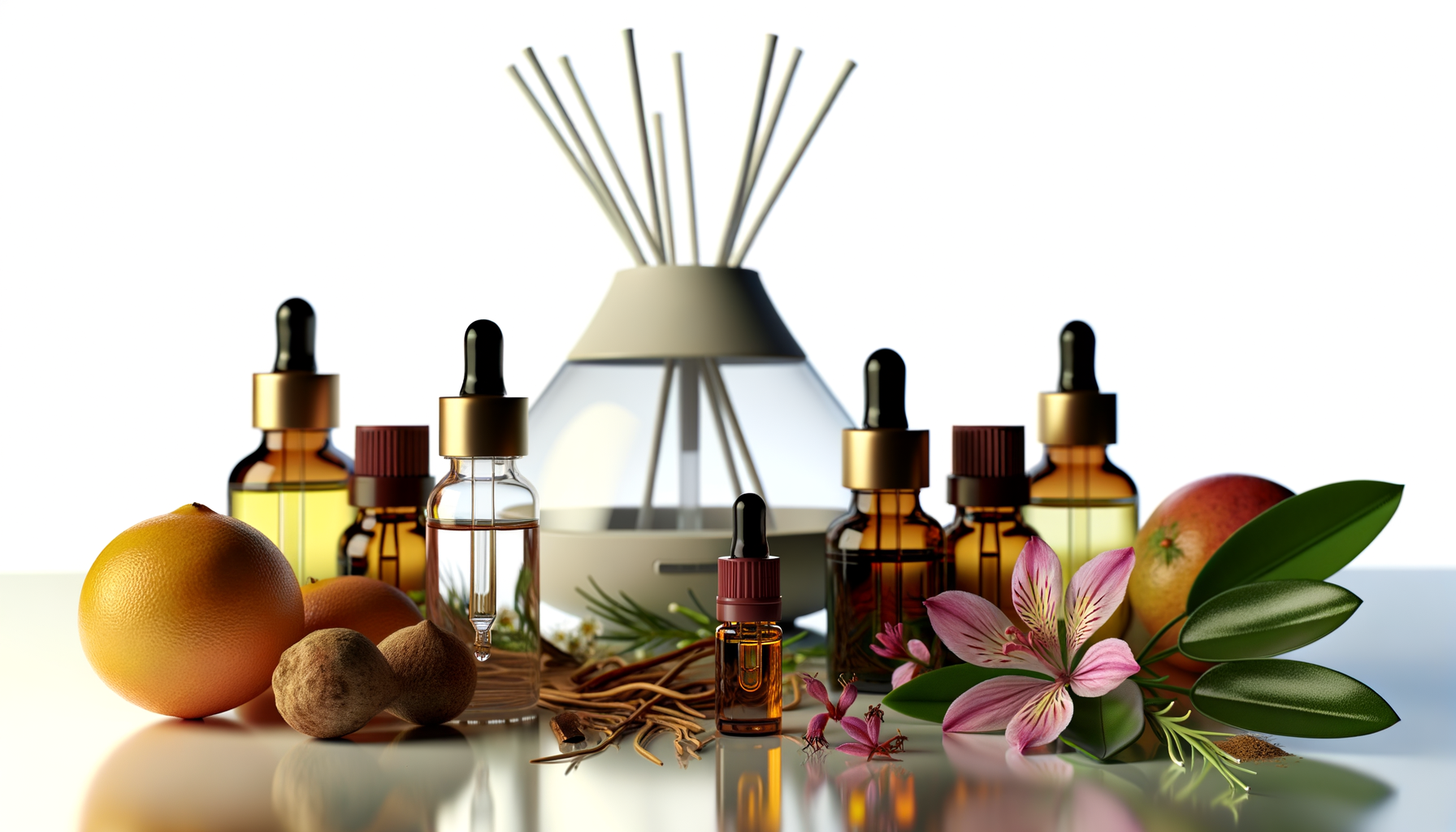
Introduction to Essential Oils
Definition and Origins
Essential oils are concentrated plant extracts that retain the natural smell and flavor, or “essence,” of their source. These aromatic compounds are obtained from various parts of plants, including flowers, leaves, bark, roots, and peels. Historically, essential oils have been used for thousands of years in various cultures for medicinal and health purposes. Their uses range from aromatherapy, household cleaning products, and personal beauty care to natural medicine treatments.
Role in Aromatherapy
Aromatherapy is a holistic healing treatment that uses natural plant extracts to promote health and well-being. It utilizes aromatic essential oils medicinally to improve the health of the body, mind, and spirit, enhancing both physical and emotional health.
Aromatherapy is thought to work by stimulating smell receptors in the nose, which then send messages through the nervous system to the limbic system — the part of the brain that controls emotions. Essential oils can be inhaled directly or indirectly or applied to the skin through massage, lotions, or bath salts.
This article serves as a primer for those new to the world of essential oils, what they are, their historical and cultural significance, and their role in aromatherapy. We will also explore the various methods of extraction, safe usage guidelines, therapeutic benefits, and applications of essential oils.
Additionally, we will discuss how to identify quality essential oils and the precautions necessary for special populations. By the end of this primer, readers will hopefully have the knowledge to begin including essential oils into their daily lives, whether for health, beauty, or overall well-being.
Extraction Techniques
Distillation Process
The distillation process is a primary method for extracting essential oils from plant materials. It involves the use of water or steam to separate the oil from the plant. There are several types of distillation:
- Steam Distillation: This is the most common form of distillation. Plant materials are placed in a distillation chamber, and steam is introduced. The steam helps to release the volatile compounds, which are then carried away by the steam. Upon cooling, the vapor condenses into a liquid where water and oil naturally separate due to their density differences.
- Hydrodistillation: Similar to steam distillation, but the plant material is fully submerged in water. The mixture is then heated, and the resulting steam contains the essential oils.
- Dry Distillation: A less common method where the plant materials are heated without water or steam. This can sometimes produce unwanted compounds and is not widely used in modern aromatherapy.
Each method has its own advantages and is chosen based on the type of plant material being used and the desired properties of the final essential oil.
Cold Pressed – AKA Expression Method
This is a mechanical process used primarily for extracting oils from citrus rinds, such as oranges and lemons. The fruit is mechanically pressed to puncture the oil sacs in the rind, releasing the essential oil. This method preserves the integrity of the oil’s fragrance and is preferred for its ability to maintain the oil’s therapeutic properties.
Solvent Extraction and Absolutes
Solvent extraction is used for plant materials that are too delicate or do not contain enough oil to be distilled. Solvents like hexane or ethanol are used to dissolve the aromatic compounds from the plant material. The resulting mixture forms a “concrete,” which is a semi-solid substance composed of essential oil, waxes, resins, and other soluble plant materials. The concrete is then processed with alcohol to separate the aromatic compounds, resulting in an “absolute.”
Absolutes are highly concentrated aromatic oils that often have a more complete scent profile compared to essential oils obtained through distillation. However, due to the use of chemical solvents, some traces may remain in the final product, which can be a concern for purity and safety.
Each extraction method impacts the quality and characteristics of the essential oil produced. Understanding these techniques is crucial for anyone interested in the therapeutic and aromatic applications of essential oils.
Safe Usage of Essential Oils
Consultation with Healthcare Providers
Before incorporating essential oils into your wellness routine, it is crucial to seek information from experts, especially if you have pre-existing health conditions, are pregnant, or are currently taking medication.
Essential oils can interact with medications and may not be suitable for everyone. As well, not all essential oils can be ingested and not all essential oils can be applied topically. A healthcare professional who is an expert in working with essential oils can provide personalized advice and ensure that your use of essential oils complements your health.
Methods of Application
Essential oils can be used in various ways, including inhalation, topical application, and, in some cases, ingestion. However, for beginners, it is recommended to start with inhalation and topical use. Inhalation can be achieved through diffusers, which disperse the oil into the air, or by simply smelling the oils directly from the bottle. Topical application involves applying the oil to the skin, but it should never be done without proper dilution.
Dilution and Topical Use
When applying essential oils to the skin, they must be diluted with a carrier oil to prevent irritation or adverse reactions. Common carrier oils include coconut oil, jojoba oil, and sweet almond oil. A general guideline for dilution is to use about 1-2 drops of essential oil per teaspoon of carrier oil for adults. Always perform a patch test on a small area of skin before full application to check for any allergic reactions.
Special Considerations for Bath and Massage
Essential oils can enhance the experience of a bath or massage, but they require special considerations. For baths, mix essential oils with an emulsifier like full-fat milk or a bath salt before adding them to the water to ensure they disperse evenly and do not sit on the surface, which could cause skin irritation. When used in massage, ensure the dilution is appropriate for the individual’s skin type and sensitivity, and choose oils known for their soothing properties, such as lavender or chamomile.
Remember: Essential oils are potent, and their safe use is paramount. Always start with a small amount to see how your body reacts, and increase gradually as needed. By following these guidelines, you can enjoy the benefits of essential oils while minimizing the risks.
Therapeutic Benefits and Applications
Mood Enhancement and Stress Relief
The aromatic compounds in essential oils can have profound effects on the limbic system, the part of the brain that governs emotions. Lavender is widely recognized for its calming properties and is often used to alleviate stress, anxiety, and depression. Bergamot, with its citrus scent, is another popular choice for uplifting the spirit and combating feelings of sadness or fatigue.
Sleep and Relaxation
Essential oils can also play a role in improving sleep quality and promoting relaxation. Lavender oil, for instance, is comparable to certain sedative medications in its ability to induce a state of calmness. Chamomile and Ylang Ylang are also beneficial for their soothing effects, which can help ease the mind into a restful sleep.
Anti-inflammatory and Pain Relief
For those suffering from inflammation or pain, essential oils may offer natural relief. Eucalyptus and peppermint oils are known for their anti-inflammatory properties and can be applied topically when diluted with a carrier oil to soothe muscle aches and joint pain. Ginger oil, with its warming effect, is also used to alleviate discomfort from arthritis and menstrual cramps.
Immune System Support and Hormonal Balance
Some essential oils can support the immune system and assist in balancing hormones. Tea tree oil is renowned for its antimicrobial properties, making it a valuable ally during cold and flu season. Clary sage is often recommended for its ability to regulate hormones and is particularly helpful during menstruation and menopause.
Digestive Health and Skin Care
When it comes to digestive health, essential oils like peppermint and ginger can relieve symptoms of indigestion and nausea. For skin care, oils such as tea tree can combat acne due to its antibacterial properties, while frankincense is praised for its ability to rejuvenate aging skin and improve its tone and elasticity.
Cognitive Function and Headache Relief
Enhancing cognitive function is another area where essential oils show promise. Rosemary oil is often associated with improved memory and concentration. For headache relief, peppermint oil is a go-to remedy due to its cooling effect when applied to the temples or neck, which can help to ease tension headaches.
In conclusion, the therapeutic applications of essential oils are diverse and can be tailored to address specific health concerns. Whether used for mood enhancement, sleep, pain relief, immune support, digestive health, skin care, or cognitive function, essential oils offer a natural and holistic approach to well-being.
Identifying Quality Essential Oils
Labeling and Botanical Names
When selecting essential oils, the first step is to examine the product’s labeling. Quality essential oils should always include the oil’s common name and its botanical name, which is the Latin name of the plant species from which the oil is derived. This dual naming system helps to avoid confusion, as some plants share common names or, conversely, a single common name may refer to multiple plant species. For instance, the botanical name Lavandula angustifolia refers specifically to true lavender, distinguishing it from other types of lavender. Accurate labeling also includes the part of the plant used, the extraction method, and the country of origin, providing further assurance of the oil’s authenticity and purity.
Testing and Certifications
As the essential oil market is not regulated by a standardized grading system, consumers must rely on testing to verify oil purity. The most definitive test is Gas Chromatography and Mass Spectrometry (GC/MS). This analysis breaks down the oil’s components and measures their proportions, ensuring the oil’s chemical profile matches that of a pure, unadulterated oil. Reputable companies will conduct these tests and make the results available to consumers. When a company provides GC/MS reports, it demonstrates transparency and commitment to quality. Consumers should be cautious of terms like “therapeutic grade” as they are not regulated and can be misleading. Instead, look for evidence of testing and the availability of reports to substantiate the oil’s purity.
Grading and Organic Standards
The cultivation of the plants used to produce essential oils significantly impacts their quality. To ensure you’re getting the most natural and chemical-free product, look for essential oils that are wildcrafted, organically grown, or certified organic. Wildcrafted oils come from plants harvested in their natural habitat, ensuring a pure and potent product. However, it’s important to ensure that these practices are sustainable. Organically grown oils are sourced from farms that adhere to organic practices but may not be officially certified due to various reasons, such as cost or regional availability of certification. Certified organic oils come from plants that have been grown and processed according to strict guidelines, verified by a certification body. This certification ensures that the plants were grown without synthetic pesticides or fertilizers, offering a high level of assurance regarding the oil’s purity.
In conclusion, identifying quality essential oils involves careful consideration of labeling, testing, and the standards by which the plants are grown. By seeking out detailed labels, demanding transparency through GC/MS testing, and preferring oils that adhere to organic or wildcrafted standards, consumers can make informed decisions and ensure they are purchasing pure, high-quality essential oils.
Precautions and Special Populations
Pregnancy and Essential Oils
When it comes to pregnancy, essential oils can offer soothing aromas and relaxation benefits. However, caution is paramount. Certain essential oils can stimulate uterine contractions and should be avoided during pregnancy. It is essential to consult with a healthcare provider before using any essential oils. A certified aromatherapist, with training from an institution approved by the National Association for Holistic Aromatherapy (NAHA), can also provide guidance on safe usage.
Essential Oils for Children
Children are more sensitive to the potent effects of essential oils. Safe use involves diluting the oils significantly more than for adults and avoiding certain oils altogether. For instance, sage oil in small amounts has caused seizures in children. Always keep essential oils out of reach of children and consult a professional before introducing any essential oil into a child’s routine.
Contraindications and Safety Measures
Understanding the contraindications and safety measures for essential oil use is crucial for everyone, especially those with health conditions, taking medications, or with allergies. Here are some key safety measures:
- Consult a Professional: Before using essential oils, especially for the first time, consult with a healthcare provider or a certified aromatherapist.
- Patch Test: Perform a skin patch test with a new essential oil, diluted at a higher concentration than intended for use, to check for skin irritation.
- Carrier Oils: Dilute essential oils with a carrier oil to minimize skin irritation. For massages, a maximum of 1% concentration is recommended.
- Photosensitivity: Be aware of photosensitive oils like citrus oils, which can cause skin reactions in sunlight. Wait at least 12 hours before exposing skin to UV light after application.
- Proper Storage: Store essential oils in a cool, dry place away from sunlight and tightly close bottles to prevent oxidation, which can lead to skin irritation.
- Quality and Purity: Ensure the quality of essential oils by checking labels for Latin names, country of origin, purity statements, and absence of synthetic ingredients.
By adhering to these precautions and consulting professionals, users can enjoy the benefits of essential oils while minimizing risks.
Getting Started with Essential Oils
Choosing Your First Essential Oils
Embarking on your essential oil journey begins with selecting a few versatile oils. Lavender is renowned for its calming properties and is a great starter oil for promoting relaxation and sleep. Lemon oil, with its uplifting and purifying qualities, can invigorate your mood and freshen the air. For those seeking focus and energy, peppermint oil is a stimulating choice. Start with these three to experience a range of benefits and learn how different oils can affect your well-being.
Therapeutic Blending
Once you’re familiar with individual oils, you can explore therapeutic blending. Blending allows you to combine the unique properties of different oils to create a synergistic effect tailored to your needs. For instance, mixing lavender and chamomile can enhance relaxation, while eucalyptus and peppermint can create a blend that supports respiratory health. Remember to blend oils based on their notes—top, middle, and base—and to balance the aromas to your preference.
Diffusers and Their Benefits
Diffusers are an excellent way to enjoy the aromatic benefits of essential oils. They disperse the oils into the air, creating a pleasant environment and allowing for easy inhalation. There are several types of diffusers, including ultrasonic, nebulizing, and heat diffusers. Ultrasonic diffusers use water and vibrations to create a fine mist, which is ideal for adding humidity to the air along with the scent. Nebulizing diffusers, on the other hand, do not require water and provide a more concentrated aroma. Heat diffusers gently warm the oil, releasing its fragrance. Choose a diffuser based on your needs, whether it’s for a large room or for more potent therapeutic effects.
Final Considerations and Resources
As you begin, it’s important to use essential oils safely. Always dilute oils before topical application, and conduct a patch test to check for skin sensitivity. Be mindful of the presence of pets or children, as some oils may not be suitable for them. Additionally, consult with healthcare providers if you have any medical conditions or concerns.
For further learning, consider resources such as the National Association for Holistic Aromatherapy or books by reputable aromatherapists. Online communities and forums can also be valuable for sharing experiences and recipes. With these considerations in mind, you’re ready to embark on your aromatic journey with confidence and knowledge.

