
Key Takeaways
- Molecular hydrogen is a powerful neuroprotective agent that can cross the blood-brain barrier to provide antioxidant protection directly to brain cells.
- Studies show molecular hydrogen significantly enhances memory, focus, and cognitive processing speed while safeguarding against age-related decline.
- H₂ (aka molecular hydrogen) operates through multiple mechanisms including selective antioxidant action, reducing inflammation, and boosting mitochondrial function in brain cells.
- Clinical trials show molecular hydrogen’s effectiveness for conditions ranging from mild cognitive impairment to Alzheimer’s disease and post-traumatic brain injuries.
- Various state of the art technologies are now available that make it easy to access this powerhouse nutrient H₂, including tablets, molecular hydrogen water bottles, pitchers, and inhalation units, all supported by emerging scientific research.
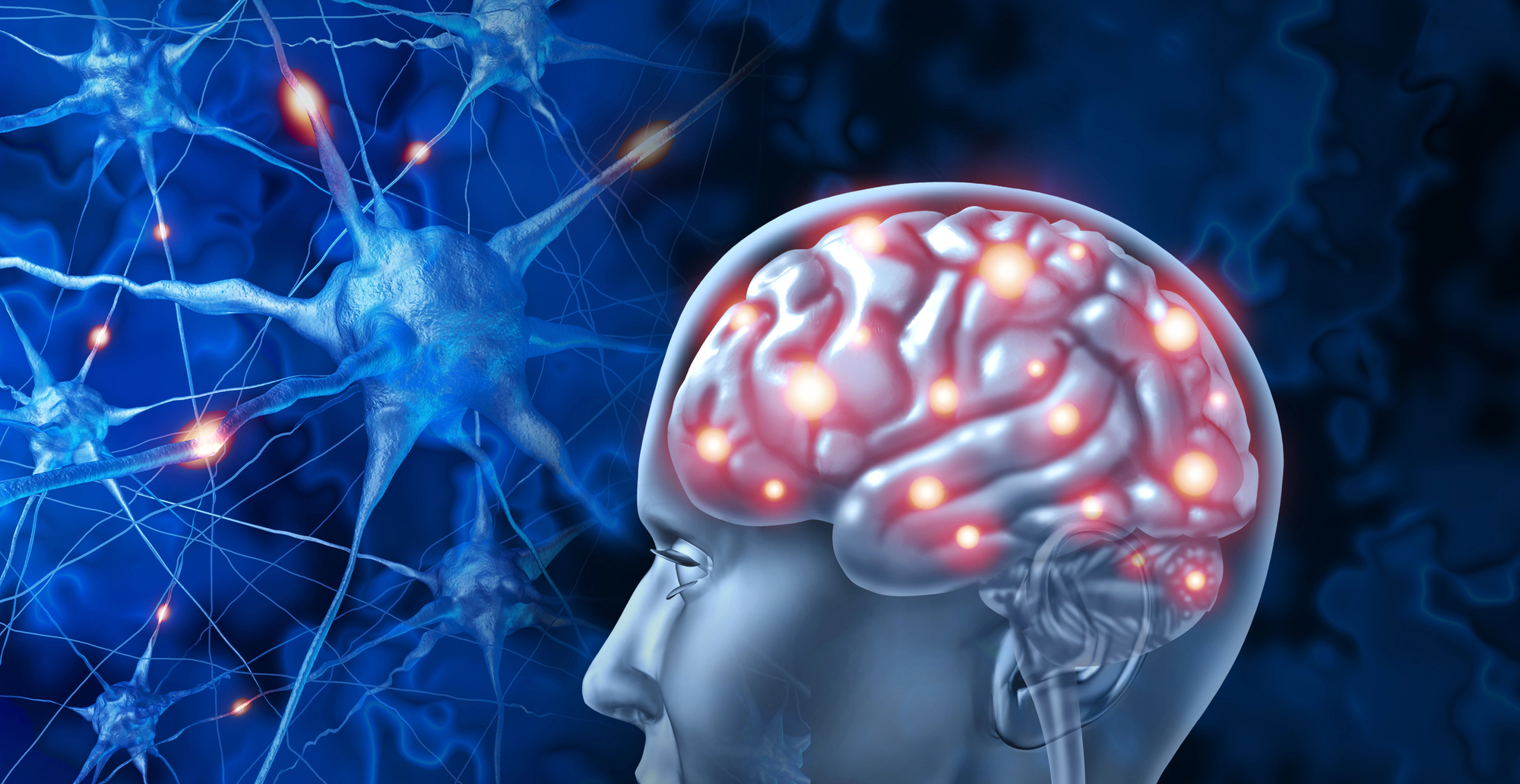
The quest for natural cognitive enhancers has led to a revolutionary discovery that’s altering how we approach brain health: molecular hydrogen.
This minuscule molecule – the smallest in existence – is proving to be one of nature’s most potent tools for protecting and enhancing brain function.
Unlike many supplements that make grand promises but never deliver anything but minimal results, molecular hydrogen provides a science-supported approach to cognitive enhancement with an impressive safety profile.
Many options are now available to harness hydrogen’s cognitive benefits through their innovative products that deliver this potent molecule in its most bioavailable form.
Molecular hydrogen (H₂) is a game-changer in the world of cognitive health. It’s not a stimulant that provides a temporary surge in alertness only to leave you crashing later. Rather, it tackles the underlying issues that lead to cognitive decline: oxidative stress, inflammation, and a lack of energy production in brain cells.
The outcomes? Better memory, improved focus, enhanced mental clarity, and an overall boost in cognitive performance – benefits that build up with regular use.
What Makes Molecular Hydrogen So Unique?
Molecular hydrogen therapy is distinct from other cognitive enhancers because of its unique characteristics and various methods of action.
Unlike many antioxidants that neutralize all free radicals (some of which are necessary for signaling functions), H₂ specifically targets the most harmful types while maintaining beneficial oxidative signaling. This selective antioxidant action provides neuroprotection without interfering with essential cellular processes.
In addition to its antioxidant properties, molecular hydrogen also stimulates the body’s natural defense mechanisms, increases the production of beneficial proteins such as brain-derived neurotrophic factor (BDNF), and aids in maintaining optimal energy production in mitochondria – the energy factories of brain cells. These combined actions provide a holistic approach to brain health that tackles multiple facets of cognitive function at once.
Why is Molecular Hydrogen Particularly Beneficial for Brain Health?
Our brains are particularly susceptible to oxidative damage due to their high oxygen consumption, high lipid content, and relatively weak antioxidant defenses.
This susceptibility increases as we age and is involved in almost every neurodegenerative condition. Molecular hydrogen stands out from other antioxidants and neuroprotective compounds, offering unique benefits in combating these issues due to several distinctive properties.
It Can Easily Pass Through the Blood-Brain Barrier
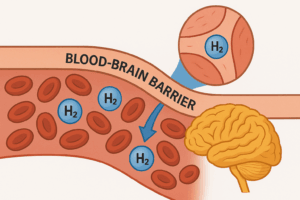
The blood-brain barrier (BBB) is a major hurdle for many cognitive enhancers. This highly selective membrane stops most substances from getting into brain tissue, protecting it from potentially harmful compounds, but also blocking many beneficial ones.
Molecular hydrogen’s small size and neutral charge allow it to easily get past this barrier and into the brain, where it can deliver its therapeutic effects directly to neurons and glial cells where they’re most needed.
Hydrogen’s special ability to get through the blood-brain barrier means it can get to parts of the brain that many other antioxidants can’t reach.
Tests using special imaging techniques have shown that hydrogen gets to brain tissue within minutes of being given, whether by breathing it in, drinking water that’s rich in hydrogen, or other ways of giving it.
This fast penetration means it can start protecting right away during times when the brain is under cognitive stress or oxidative challenge.
Antioxidant Properties Without Unwanted Side Effects
Unlike many antioxidants that indiscriminately neutralize all free radicals, molecular hydrogen selectively targets only the most harmful types, specifically hydroxyl radicals (•OH) and peroxynitrite (ONOO−).
These highly reactive oxygen species cause widespread damage to cellular structures, including DNA, proteins, and lipids.
H₂ neutralizes these destructive molecules by converting them into water, leaving no toxic byproducts.
Crucially, hydrogen does not tamper with the beneficial oxidative signaling that controls normal cell functions. This selectivity is vital since some degree of oxidative signaling is required for the brain to function properly, including synaptic plasticity, memory formation, and neuronal development.
By focusing only on the damaging free radicals and leaving the beneficial ones alone, hydrogen offers neuroprotection without interfering with crucial cellular processes.
Combats Inflammation in the Brain
Neuroinflammation is at the heart of cognitive decline and is increasingly seen as a main contributor to everything from brain fog to Alzheimer’s disease. Molecular hydrogen has shown to have powerful anti-inflammatory effects in the brain through several pathways.
It suppresses the activation of cells that cause inflammation, such as microglia, and decreases the production of inflammatory cytokines that can harm neurons and impair cognitive function.
Studies have found that hydrogen therapy can reduce key inflammation markers such as tumor necrosis factor-alpha (TNF-α), interleukin-1 beta (IL-1β), and nuclear factor kappa B (NF-κB) pathway activation.
These effects have been seen in a range of neurological conditions, from traumatic brain injury to neurodegenerative diseases.
Hydrogen can help keep the delicate balance needed for the best brain health by calming excessive inflammatory responses without suppressing the necessary immune function.
Shields the Mitochondria in Brain Cells
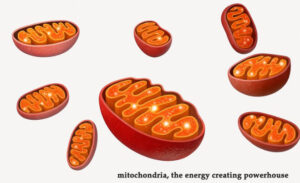
One of the main contributors to cognitive decline is the dysfunction of mitochondria.
These tiny cellular engines are responsible for providing the energy that neurons need to perform a variety of tasks, such as maintaining membrane potential and facilitating the release of neurotransmitters.
When the mitochondria start to fail, cognitive function is often the first thing to go. However, molecular hydrogen has shown great promise in its ability to shield and improve the function of mitochondria in brain cells.
Therapy using H₂ boosts the production of ATP, which is the main energy source for cells, and it decreases the detrimental byproducts that come from cellular metabolism. It maintains the potential of the mitochondrial membrane and enhances the efficiency of the electron transport chain.
This results in more energy and less oxidative damage. The support that this provides for mitochondria is especially beneficial in areas of the brain that require a lot of energy, like the hippocampus and prefrontal cortex, which are critical for forming memories and executive function.
5 Key Cognitive Advantages of Molecular Hydrogen

Studies on molecular hydrogen have identified numerous cognitive advantages that cover a wide range of brain functions.
Whether it’s boosting basic cognitive operations or safeguarding against age-related decline, H₂ therapy provides extensive support for brain health. Here are the five most important cognitive advantages supported by current research.
1. Enhanced Memory and Learning Skills
Molecular hydrogen has been reported to improve memory formation and recall. Several studies using different learning and memory tests have shown that H₂ therapy improves both short-term and long-term memory.
This effect seems to be due to hydrogen’s ability to enhance the function of the hippocampus—a brain region that is crucial for memory consolidation—and promote synaptic plasticity, which is the basis of learning at the cellular level.
Studies in animals have found that hydrogen supplementation improves performance in maze tests, object recognition tasks, and other established measures of learning and memory. Human clinical trials have corroborated these findings, with participants reporting better recall abilities and improved learning capacity after regular hydrogen therapy.
Particularly impressive results have been observed in cases of mild cognitive impairment, where hydrogen shows promise for restoring memory function that had begun to decline.
2. Improved Concentration and Mental Sharpness
With the constant bombardment of information in today’s world, many people struggle with mental fog, a lack of concentration, and general mental fatigue.
These issues seem to be alleviated by molecular hydrogen, which optimizes the function of the prefrontal cortex – the part of the brain that controls attention, decision-making, and other high-level tasks.
Many people who have tried hydrogen therapy have reported a significant increase in mental sharpness and the ability to concentrate on challenging tasks.
It’s thought that H₂ boosts cerebral blood flow, reduces neuroinflammation, and balances neurotransmitters involved in attention and focus, which is why it can enhance cognitive function.
Studies have found that attention span and reaction time significantly improve after taking hydrogen, which suggests that it really does enhance function rather than just making people feel like it does.
3. Shielding from Cognitive Deterioration Related to Aging
As we get older, our cognitive abilities naturally decrease due to oxidative damage that accumulates over time, decreased efficiency of mitochondria, and increased neuroinflammation.
Molecular hydrogen directly tackles each of these issues, possibly slowing down or even reversing some aspects of cognitive decline related to aging. Long-term studies on hydrogen therapy show promising results for preserving cognitive function well into old age.
A groundbreaking study published in Scientific Reports has found that drinking water rich in hydrogen every day for a year can significantly improve cognitive function in older adults who have mild cognitive impairment.
Those who took part in the study showed higher scores in comprehensive cognitive assessments than those in the control group, with improvements in memory, attention, and problem-solving abilities. These findings suggest that hydrogen therapy could offer a straightforward but effective way of maintaining cognitive function as we age.
4. Quicker Thinking
One of the most important aspects of cognitive performance is mental processing speed, which is the rate at which we can understand, process, and react to information. Unfortunately, this tends to slow down as we age and become mentally fatigued.
Hydrogen therapy has been proven to increase neural efficiency and the speed at which information is processed in both young and old brains. This means faster reactions, quicker decision-making, and overall better cognitive performance.
Studies that utilize cognitive assessments measuring processing speed, like the Stroop test and digit symbol substitution, have shown notable improvements after the administration of hydrogen.
It seems these benefits stem from improved synaptic transmission, better myelination (the fatty insulation around neurons that allows for faster signal conduction), and the optimization of brain energy metabolism.
5. Better Mood and Less Anxiety
There is a strong link between cognitive function and emotional state. Anxiety, depression, and stress can greatly hinder thinking ability, while a positive mood boosts cognitive performance.
Molecular hydrogen has shown incredible effects on mood regulation and stress response. Studies have shown less anxiety, better emotional stability, and increased resilience to psychological stressors.
The improvement in mood is likely due to hydrogen’s ability to regulate neurotransmitter systems, reduce inflammation in areas of the brain that regulate emotions, and balance stress hormone levels.
By creating a more balanced environment for neurochemicals, hydrogen therapy supports both emotional health and optimal cognitive function. Many users report feeling mentally “lighter” and more emotionally resilient while using hydrogen regularly.
Scientific Evidence: What Studies Show About Hydrogen and Brain Function
The cognitive benefits of molecular hydrogen are not just theoretical—they are supported by a growing body of research from respected institutions worldwide. From laboratory studies that examine cellular mechanisms to clinical trials that measure real-world cognitive improvements, the evidence supporting hydrogen’s brain-enhancing effects continues to pile up. Let’s delve into some of the most persuasive research in this rapidly developing field.
Investigations into Alzheimer’s Disease and Dementia

- A 2020 investigation published in Scientific Reports found that hydrogen therapy reduced amyloid-beta plaque formation and improved memory in Alzheimer’s disease models
- Research from Loma Linda University showed that hydrogen inhalation therapy improved cognitive scores in patients with mild-to-moderate Alzheimer’s disease after 6 months of treatment
- A clinical trial published in the Journal of Alzheimer’s Disease found that daily consumption of hydrogen-rich water for 12 months slowed cognitive decline in patients with mild cognitive impairment
- Animal research published in Neurotherapeutics found that hydrogen treatment activated the brain’s antioxidant defense systems and preserved neuronal integrity in dementia models
Research into Stress-Induced Brain Fog
Chronic stress can significantly impact cognitive function, leading to the commonly reported experience of “brain fog.”
A groundbreaking study published in Neuropsychopharmacology Reports examined the effects of hydrogen-rich water consumption on cognitive function in subjects experiencing chronic psychological stress.
The results were remarkable: participants showed significant improvements in concentration, mental clarity, and performance on cognitive tasks compared to the placebo group.
The scientists found numerous reasons for these benefits, such as decreased markers of oxidative stress in the prefrontal cortex, regulated levels of stress hormones, and better cerebral blood flow.
Of particular interest was the observation that hydrogen treatment seemed to protect against reductions in brain-derived neurotrophic factor (BDNF) caused by stress, a protein that is essential for maintaining the health of neurons and facilitating learning and memory.
These results indicate that molecular hydrogen may be particularly beneficial for people who are under a lot of cognitive stress in stressful situations.
“Our findings suggest that molecular hydrogen acts as a cognitive resilience factor, helping the brain maintain optimal function even under conditions of chronic stress. The improvements in executive function, working memory, and attention we observed were comparable to those seen with some pharmaceutical interventions, but without any adverse side effects.” – Dr. Kenji Sato, lead researcher at Kyushu University’s Department of Neuroscience
Evidence for Enhanced Neuroplasticity
Perhaps the most exciting research on molecular hydrogen involves its effects on neuroplasticity—the brain’s ability to reorganize itself by forming new neural connections.
A 2021 study published in Neural Regeneration Research demonstrated that hydrogen therapy significantly increased levels of key neuroplasticity markers, including brain-derived neurotrophic factor (BDNF) and nerve growth factor (NGF).
These proteins are essential for the formation of new synaptic connections and the strengthening of existing ones—processes fundamental to learning and memory.
Additional studies have indicated that treatment with hydrogen increases the activity of genes involved in synaptic plasticity and decreases the activity of genes related to synaptic degradation.
This dual effect aids in the preservation of existing neural networks and supports the development of new connections in response to learning experiences.
In layman’s terms, this implies that molecular hydrogen may boost the brain’s ability to adjust to new challenges and learn new abilities—a benefit that can be applied to a variety of areas, from academic achievement to recovery from brain damage.
How to Leverage Molecular Hydrogen for Optimal Brain Health
There are various ways to introduce molecular hydrogen into your system, and each method offers unique benefits for cognitive improvement. The ideal method for you might depend on your specific objectives, preferences, and practical considerations. Here are the most effective methods to reap the cognitive benefits of hydrogen.
Hydrogen-Rich Water: The Easiest Way

The most common and widely researched method of molecular hydrogen delivery is by drinking water infused with hydrogen.
This method allows for a slow, steady exposure to H₂ throughout the day as you keep hydrated. High-quality hydrogen water should contain dissolved H₂ at concentrations between 1-2 parts per million (ppm), which studies have shown is enough to provide cognitive benefits.
Hydrogen-rich water can be produced using hydrogen water generators, hydrogen tablets that dissolve in water, or pre-packaged hydrogen water (although this option may have a reduced H₂ concentration over time).
To get the best cognitive benefits, try to consume 1-2 liters of freshly prepared hydrogen water daily, ideally on an empty stomach when absorption is at its peak. The cognitive effects from hydrogen water typically build gradually over days to weeks of consistent use.
Therapy Through Hydrogen Inhalation
Inhaling hydrogen gas provides a more direct and concentrated method of delivery compared to drinking hydrogen water.
This process involves breathing in a combination of hydrogen gas (usually 1-4%) and air through a specialized device. Inhalation enables the lungs to absorb the gas quickly and circulate it immediately to the brain, making it especially useful for acute cognitive enhancement or addressing brain fog.
Many clinical studies have used hydrogen inhalation for cognitive benefits, and these typically involve 30-60 minute sessions. Participants often report improvements in mental clarity and focus within minutes of beginning treatment.
While inhalation devices represent a larger initial investment than water-based methods, they allow for precise control over dosage and have more immediate effects. This makes them popular among biohackers and those seeking optimal cognitive performance.
Molecular Hydrogen Tablets and Supplements
Tablets that produce hydrogen are a handy and easy-to-carry choice for molecular hydrogen supplementation.
These tablets usually have a reaction involving minerals that produce molecular hydrogen when they are put in water. The top-quality products create 1-2 ppm concentrations of hydrogen and should be drunk straight away after they’re made, before the hydrogen gas can get away.
There are some sophisticated hydrogen supplements that include additional cognitive enhancers such as magnesium, B vitamins, or adaptogenic herbs.
These ingredients may work together with molecular hydrogen to support brain function. When you’re shopping for hydrogen tablets, look for products that clearly state the hydrogen concentration they produce. Also, make sure they’re free from unnecessary fillers or additives that could negate the positive effects of hydrogen.
Best Dosages for Cognitive Enhancement
Studies suggest that cognitive enhancements usually need regular exposure to molecular hydrogen instead of specific high-dose uses.
For hydrogen-enriched water, drinking 1-2 liters throughout the day (with 1-2 ppm of H₂) seems to be the ideal amount for cognitive improvement. For inhalation therapy, 30-60 minute sessions using 2-4% hydrogen gas concentration have demonstrated significant cognitive enhancements in clinical trials.
People often find that taking molecular hydrogen in the morning and early afternoon, when energy levels naturally dip, boosts the cognitive benefits during peak productivity hours and supports the body’s natural rhythms.
As with many natural interventions, consistency is key—the neuroprotective and cognitive-enhancing effects of molecular hydrogen appear to build up over time with regular use.
Who Stands to Gain the Most From Hydrogen Therapy?
Molecular hydrogen has cognitive benefits for virtually everyone, but some groups may experience particularly dramatic improvements.
Knowing whether you fall into one of these groups can help you decide if hydrogen therapy might be particularly beneficial for your brain health goals.
Older Adults Worried About Forgetting Things
As we get older, our brains have to deal with a lot of issues. We have more oxidative stress, our mitochondria don’t work as well, and we have chronic inflammation. These are all things that molecular hydrogen helps with.
People over 50 who are starting to notice small changes in their memory or how fast they can think, often say that hydrogen therapy helps them a lot.
In clinical studies, older adults who were starting to have problems with their memory showed a big improvement in how well they could remember things, how well they could learn, and how well their brain worked overall after they started using hydrogen regularly.
Molecular hydrogen seems to provide neuroprotective benefits that are especially useful in staving off cognitive decline as we age. It does this by neutralizing harmful free radicals, promoting the health of our mitochondria, and reducing neuroinflammation.
This helps to keep our cognitive abilities strong as we get older. For those who are worried about keeping their brains sharp as they age, hydrogen therapy is a straightforward and scientifically-backed method that has been shown to be very safe.
Learning and Professional Work
Today, we live in a world where information is abundant. This has placed a lot of cognitive demand on students and professionals.
The ability to process a lot of information, stay focused amidst distractions, and think creatively under pressure has become increasingly important. Molecular hydrogen seems to enhance these cognitive abilities. It does this by affecting the function of the prefrontal cortex, balancing neurotransmitters, and metabolizing energy in the brain.
Hydrogen therapy is gaining popularity among students and professionals who need to stay sharp for long hours of studying or working. Unlike caffeine and other stimulants, hydrogen therapy doesn’t lead to jitters or crashes.
Users report a range of benefits, including better concentration, improved reading comprehension, enhanced memory, and increased mental endurance. If you rely on your brain to be at its best for your work or studies, you might want to give hydrogen therapy a try.
Competitive Athletes Seek Cognitive Advantage
The correlation between physical performance and cognitive function is becoming more apparent in the world of competitive sports.
It’s not just about physical strength for athletes, but also quick decision-making, spatial understanding, reaction time, and mental toughness—these are all cognitive functions that seem to be improved by molecular hydrogen.
Studies with athletes have demonstrated that hydrogen supplementation not only aids in physical recuperation but also in the cognitive aspects of performance.
Molecular hydrogen’s ability to improve both cognitive and physical performance makes it a powerful tool for athletes, particularly those in sports that require the execution of complex skills under high-pressure conditions.
By reducing mental fatigue, improving focus, and enhancing the speed of decision-making, hydrogen therapy provides athletes with a comprehensive performance edge that goes beyond the benefits of traditional physical training.
Many athletes report that they are able to achieve a state of flow, or being “in the zone,” more consistently when they include molecular hydrogen in their preparation routine.
Individuals Experiencing High Cognitive Stress
Our modern lifestyles are filled with information overload, rapid decision-making, and often leave little room for mental rest. This cognitive burden can result in mental exhaustion, decreased productivity, and in severe cases, burnout.
Molecular hydrogen seems to be especially beneficial in supporting brain function under high cognitive demand or stress. Its dual ability to guard against oxidative damage caused by stress and support optimal neurotransmitter function aids in preserving cognitive resilience even during challenging times.
Many business executives, entrepreneurs, healthcare professionals, and others in high-stress roles have reported that hydrogen therapy helps them keep their minds clear and their emotions in check, even when their schedules are demanding.
The cognitive buffering effect of molecular hydrogen seems to raise the bar for when mental fatigue begins, allowing for consistent high performance without the crashes that often come with stimulant-based cognitive enhancers.
- Boosted decision-making skills in stressful situations
- Increased capacity to juggle multiple complex tasks
- Increased resistance to information overload
- Decreased mental exhaustion during prolonged cognitive activities
Studies indicate that these benefits are due to hydrogen’s ability to keep the prefrontal cortex functioning at its best and to protect against neuroinflammation caused by stress.
A study in Biological Psychiatry found that hydrogen therapy prevented cognitive impairment caused by stress by maintaining prefrontal dopamine signaling, a neurotransmitter system that is vital for executive function and decision-making in stressful situations.
Should you often encounter scenarios that require prolonged mental exertion, rapid decision-making in high-pressure situations, or the handling of intricate information, molecular hydrogen could be a valuable ally in maintaining optimal cognitive function under such conditions.
Many individuals have shared that hydrogen therapy has assisted them in staying lucid and concentrated during their most demanding work intervals.
Experts Routine for Using Molecular Hydrogen
Experts who have studied molecular hydrogen for years and who have tried out different routines, have come up with an ideal personal routine that consistently provides noticeable cognitive benefits.
Start each morning by drinking 500ml of hydrogen-rich water (about 1.5ppm concentration) on an empty stomach about 30 minutes before breakfast.
This morning dose gives a gentle cognitive boost that may be more subtle but longer-lasting than caffeine, without any of the jitteriness or afternoon crash.
Follow this with another 500ml mid-afternoon when mental energy typically dips, and then a final 500ml in the early evening to help recover from the day’s mental exertion.
On days when you need to be at your cognitive best—such as when writing complex articles, speaking at conferences, or tackling challenging projects—add a 20-minute hydrogen inhalation session (at 2% concentration), about 30 minutes before the demanding task.
This combined approach provides both the sustained benefits of regular hydrogen water consumption and the immediate cognitive enhancement from inhalation when it’s needed the most.
Get Started: Begin Your Brain Health Adventure with Molecular Hydrogen
Are you prepared to reap the cognitive rewards of molecular hydrogen? Start with top-notch hydrogen tablets or a water generator, which specifically design hydrogen products to promote the best possible brain function with molecular hydrogen concentrations that are supported by scientific research.
Common Questions
As more people discover the cognitive benefits of molecular hydrogen, we are often asked questions about its use, effects, and real-world applications. The answers to the most frequently asked questions are based on the latest research and clinical experience with hydrogen therapy.
This frequently asked questions section will tackle the most common questions and misunderstandings about molecular hydrogen therapy, giving you the evidence-based knowledge you need to decide if you want to add this promising therapy to your cognitive enhancement routine.
Can I use molecular hydrogen every day?
Yes, molecular hydrogen is incredibly safe, even when used daily for long periods. Unlike many cognitive enhancers that may cause stress or dependency, hydrogen is naturally produced in small quantities by gut bacteria and has been consumed in traditional healing waters for centuries.
There have been many safety studies and none have found any negative effects from regular therapeutic doses of hydrogen. In Japan, where hydrogen therapy is commonly used in clinical settings, it has been officially classified as Generally Recognized As Safe (GRAS) by regulatory authorities.
Hydrogen’s safety profile is impressive, largely due to its selective action. It only goes after harmful free radicals and leaves beneficial oxidative signaling alone. Even when used in concentrations much higher than those typically used for cognitive enhancement, it has not been shown to be toxic.
This makes molecular hydrogen ideal for daily use as part of a long-term brain health strategy. There are no worries about building up a tolerance or experiencing the negative side effects that often come with other cognitive enhancers.
How soon will I see improvements in my cognitive function from hydrogen therapy?
The timeframe for cognitive improvements can differ based on how the hydrogen is administered, the amount taken, and personal factors such as age and cognitive function.
Many users have reported improved mental clarity and focus within minutes of inhaling hydrogen. Drinking hydrogen-rich water usually results in less noticeable effects that increase over time with regular use.
Most scientific studies that have measured cognitive improvements have used 4-12 week plans, with measurable benefits often seen after 2-3 weeks of daily hydrogen use.
Can molecular hydrogen help with brain fog after COVID-19?
Recent studies have suggested that molecular hydrogen could be especially useful for treating post-COVID cognitive symptoms, often referred to as “brain fog.” There have been multiple studies that have shown that hydrogen can reduce neuroinflammation and oxidative stress, which seem to be the main drivers behind these ongoing cognitive issues.
A case series from 2022 that was published in the Journal of Neuroimmunology showed significant improvements in cognitive function in post-COVID patients who underwent hydrogen therapy, with patients reporting better concentration, memory, and mental clarity after their treatment.
Hydrogen’s potential benefits are thought to stem from its ability to cross the blood-brain barrier and decrease neuroinflammation, oxidative damage, and mitochondrial dysfunction.
These are all factors that have been associated with cognitive symptoms following a viral infection. Although research on the use of hydrogen for brain fog following COVID is still in its early stages, the underlying mechanisms and initial clinical observations indicate that it could provide significant help in recovering cognitive function after a viral illness.
Is there a difference between molecular hydrogen and hydrogen peroxide?
Although they sound similar, molecular hydrogen (H₂) and hydrogen peroxide (H₂O₂) are entirely different substances that have completely different effects on the body. Molecular hydrogen is a neutral gas made up of two hydrogen atoms (H₂) and acts as a selective antioxidant, neutralizing harmful free radicals.
Hydrogen peroxide, which is made up of two hydrogen atoms and two oxygen atoms (H₂O₂), is a reactive oxygen species that acts as an oxidizing agent in the body, potentially causing oxidative stress when it is present in excess.
Does hydrogen water have a different taste than regular water?
Hydrogen-rich water that is correctly prepared should taste almost exactly the same as regular water. Molecular hydrogen is colorless, odorless, and tasteless when it is dissolved in water at therapeutic concentrations, which are usually 1-2 ppm.
Some people have reported that hydrogen water feels slightly “smoother” or “lighter” in the mouth, but these minor differences are generally only noticeable to those with particularly sensitive taste buds.
If hydrogen water has a strong metallic, chemical, or strange taste, it could be a sign that there are problems with the way it was prepared or contamination from the device that generated it.
Here’s a fun fact: water that’s rich in hydrogen often has tiny bubbles of hydrogen gas that might make it seem a bit fizzy right after it’s made. These bubbles go away pretty fast and they don’t change the taste at all, but they do show that the water has hydrogen dissolved in it.
The fact that hydrogen water doesn’t taste like anything makes it a breeze to add to your daily water-drinking habits without having to get used to a new flavor.
Is it safe for kids and teens to use molecular hydrogen for better concentration?
There have been no reported side effects from using hydrogen in children, but the majority of studies on molecular hydrogen for cognitive enhancement have been conducted on adults.
The few studies that have been conducted on children have mainly looked at the effects of hydrogen on specific medical conditions, rather than on cognitive enhancement in healthy individuals. However, given hydrogen’s excellent safety record and the fact that it is naturally present in the body, it is likely to be safe for younger individuals. However, there are currently no established dosing guidelines for cognitive effects in children and teenagers.
Before parents start using hydrogen therapy for children who have problems with attention or focus, they should talk to a healthcare provider. They may want to start with smaller doses than what adults use.
Natural methods like getting enough sleep, regular exercise, eating a balanced diet, and limiting screen time should be the main ways to support cognition in young people. Molecular hydrogen could be used in addition to these methods, not as the main treatment.
How does hydrogen stack up against other cognitive enhancers like caffeine?
While both molecular hydrogen and caffeine can enhance cognition, they do so through entirely different mechanisms, leading to distinctly different experiences and outcomes.
Caffeine primarily works by blocking adenosine receptors, creating a stimulating effect that increases alertness but often comes with jitteriness, sleep disruption, and potential crashes when it wears off.
Hydrogen, on the other hand, supports cognition by reducing oxidative stress, supporting mitochondrial function, and optimizing neurochemical balance without stimulant effects.
Hydrogen’s cognitive benefits are often described by users as feeling more “clean” and long-lasting compared to caffeine. Instead of forcing the brain into a state of alertness, hydrogen seems to optimize normal cognitive function by creating the best conditions for brain cells to work efficiently.
This difference makes hydrogen especially useful for tasks that require sustained attention, complex problem-solving, or creative thinking, where the jittery edge of caffeine might actually be unhelpful.
One of the other main differences is that caffeine can cause dependency, and when you stop using it, you can experience withdrawal symptoms. There is no evidence that molecular hydrogen causes dependency or withdrawal symptoms, so it is safe to use every day without worrying about building up a tolerance or experiencing rebound effects.
Some people find that taking lower doses of caffeine along with hydrogen therapy gives them better cognitive benefits and reduces the potential downsides of caffeine. This suggests that these treatments may work together instead of against each other.
Are there any known drug interactions with molecular hydrogen therapy?
Current research has not identified any significant drug interactions with molecular hydrogen. Unlike many supplements that may affect drug metabolism or compete for absorption, hydrogen’s mechanism of action as a selective antioxidant appears to operate independently of most pharmaceutical pathways.
This safety profile makes hydrogen therapy potentially suitable even for individuals taking multiple medications, though consulting with healthcare providers is always recommended when adding any new intervention to an existing treatment regimen.
Remarkably, several studies have indicated that hydrogen can help alleviate some of the side effects of certain medications, especially those that cause oxidative stress or inflammation.
Research has shown that hydrogen therapy can reduce the cognitive side effects of certain chemotherapy drugs, and it may even increase their effectiveness against cancer cells.
Additionally, early research suggests that hydrogen could help prevent the cognitive impairment that can sometimes occur with certain antipsychotic and anti-epileptic medications.

