

Not many people are familiar with policosanol, but it’s one of the most studied natural compounds for lowering LDL cholesterol and supporting cardiovascular health, especially when it’s extracted from sugarcane.
Research shows that policosanol can reduce LDL cholesterol by up to 29% and increase HDL cholesterol, which is comparable to the effects of some prescription statin medications.
Aside from cholesterol, policosanol has benefits for blood pressure, blood sugar regulation, and liver health, making it a wide-ranging natural health compound.
A nano-sized version of policosanol is available in advanced wellness products like Nano Soma, which could potentially improve absorption and effectiveness compared to traditional supplements.
Keep reading to learn which source of policosanol is most effective, what the clinical research really says, and how modern formulations are enhancing these benefits even further.
Policosanol Is More Powerful Than Most People Think
Although lesser known in the mainstream, the research supporting policosanol it is hard to dismiss.
Policosanol, a naturally occurring compound primarily extracted from sugarcane wax, has been under the radar for years as a potent aid for cardiovascular health, cholesterol regulation, and more.
If you’re looking for natural alternatives to pharmaceutical treatments, policosanol is one of the most thoroughly researched choices available.
Understanding Policosanol
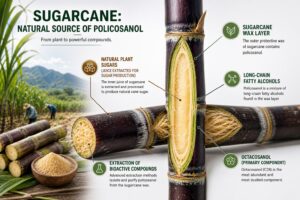
Policosanol is a combination of natural long-chain aliphatic alcohols that are primarily extracted from the waxy coating of sugarcane (Saccharum officinarum).
It is made up of various fatty alcohols, with octacosanol being the most common and most biologically active component, usually constituting 60–70% of the total mixture.
During the late 1980s and early 1990s, the compound was first developed and extensively studied in Cuba. The National Centre for Scientific Research (CNIC) in Cuba led the foundational work, producing many clinical trials that established the role of policosanol as a cholesterol-lowering agent.
What sets policosanol apart is its multi-faceted approach. Unlike many pharmaceuticals, which work through a single pathway, it seems to affect cholesterol synthesis, LDL breakdown, and HDL function all at once, making it more metabolically impactful than most natural supplements.
“Policosanol supplementation induces anti-hypercholesterolemia by inhibiting cholesterol biosynthesis, LDL cholesterol uptake, and cholesterol excretion.”
— Study authors, 2019 clinical research review
The History: Who Discovered Policosanol and When?
Policosanol was first isolated and studied in Cuba in the late 1980s by researchers at CNIC.

The Cuban government funded extensive clinical trials throughout the 1990s, resulting in a body of evidence that placed policosanol on the map as a legitimate natural cholesterol-lowering therapy. By the early 2000s, international researchers had begun independently studying the compound, with mixed but often encouraging results.
Linking Policosanol to Sugar Cane – Sugar

When it comes to policosanol, sugarcane is king. The most potent and well-researched source of this compound, sugarcane, offers the highest concentrations of octacosanol and related long-chain alcohols in its outer wax. This makes it the best source for therapeutic-grade policosanol supplements.
| Component | % in Sugarcane Policosanol | Role |
|---|---|---|
| Octacosanol (C28) | 60–70% | Primary active compound |
| Triacontanol (C30) | 10–15% | Supports lipid metabolism |
| Hexacosanol (C26) | 6–10% | Minor cholesterol activity |
| Dotriacontanol (C32) | 2–5% | Antioxidant properties |
The specific ratio of these fatty alcohols in sugarcane-derived policosanol is believed to be a key reason why it consistently outperforms policosanol sourced from other plants in clinical settings.
Another reason to love sugarcane policosanol is its purity and consistency.
The sugarcane plant is abundant in uniform wax, which makes it possible for manufacturers to extract a standardized, reliable product. This is something that’s more difficult to achieve with other botanical sources.
Natural Sources Other Than Sugar Cane
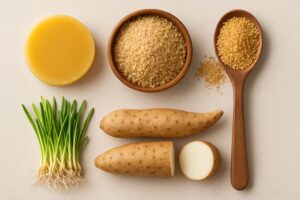
Although sugarcane is the main source, policosanol can also be derived from beeswax, rice bran, wheat germ, barley sprouts, and yams.
However, the fatty alcohol profiles of these sources are quite different from sugarcane, often containing lower concentrations of octacosanol — which might be why they tend to yield less consistent results in clinical studies.
Understanding Policosanol’s Role in the Body
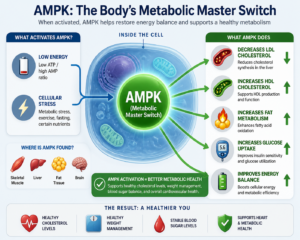
Policosanol operates via a network of related mechanisms. By stimulating AMP-activated protein kinase (AMPK), an enzyme that controls cell energy and fatty acid metabolism, it suppresses cholesterol synthesis in the liver.
This cuts down on the amount of LDL cholesterol the liver produces while also enhancing the removal of LDL from the blood.
Policosanol also seems to improve the function and quantity of HDL cholesterol — the “good” cholesterol that carries excess cholesterol out of the arteries.
This dual effect on both LDL and HDL gives policosanol a uniquely beneficial cardiovascular profile among natural compounds.
Policosanol’s Most Researched Benefit: Cholesterol
The most researched benefit of policosanol is its impact on cholesterol. There has been much scientific interest in this area.
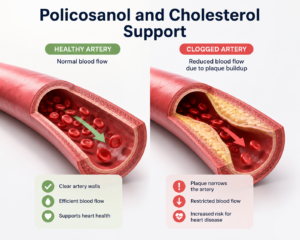
Although the evidence is not without controversy, it includes numerous human clinical trials that demonstrate significant decreases in LDL cholesterol and increases in HDL levels.
In a pivotal study from 2001 that was published in peer-reviewed research, it was discovered that policosanol, when taken in doses of 20 and 40 mg per day, significantly reduced LDL cholesterol by 21% to 29%, decreased total cholesterol by 17% to 21%, and enhanced the LDL-to-HDL ratio — all without any significant side effects.
How Policosanol Reduces LDL Cholesterol
Policosanol has been shown to reduce LDL cholesterol through three main processes: it suppresses cholesterol production in the liver, it enhances the uptake and breakdown of LDL particles, and it lessens the oxidation of LDL — a critical element in the formation of arterial plaque. This makes it a preventive measure and possibly a treatment for managing the risk of cardiovascular disease.
How AMPK Activation Helps Lower Cholesterol
The way policosanol works to regulate cholesterol is through AMPK activation. This activation inhibits the function of HMG-CoA reductase, which is the same enzyme that statin medications target.
This is why there have been comparisons made between policosanol and statins such as lovastatin and simvastatin in initial studies.
In fact, a study conducted in 2002 suggested that the efficacy of policosanol is similar to these statins when used in therapeutic doses.
The Real Deal on Clinical Research
A meta-analysis in 2018 looked at 22 randomized controlled trials with 1,886 participants and confirmed that sugarcane policosanol does indeed lower cholesterol.
A different study in 2019 backed up these results, concluding that taking policosanol supplements has a real effect on high cholesterol.
It’s important to point out that a study in 2022 didn’t find any benefit, but it’s not clear how much was used in that study, which makes it hard to understand what the results really mean.
Comparing Policosanol to Other Natural Cholesterol Supplements
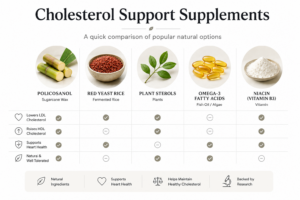
When it comes to lowering cholesterol, policosanol, especially when derived from sugarcane, is a strong contender among other natural alternatives.
| Supplement | LDL Reduction | HDL Improvement | Evidence Level |
|---|---|---|---|
| Sugarcane Policosanol | Up to 29% | Yes | Multiple RCTs |
| Red Yeast Rice | 15–25% | Minimal | Multiple RCTs |
| Berberine | 15–20% | Modest | Several RCTs |
| Plant Sterols | 10–15% | No | Strong RCT data |
| Omega-3 Fatty Acids | Minimal | Modest | Extensive RCTs |
What sets policosanol apart from most of its competitors is its dual effect on LDL reduction and HDL improvement. This is a combination that few natural compounds can truthfully boast.
Another important factor is the reliability of sugarcane as a source. While red yeast rice can have wildly different amounts of active compounds depending on how it’s made, sugarcane policosanol is standardized, so you know what you’re getting.
Research-Backed Blood Pressure Benefits
Cholesterol isn’t the only cardiovascular marker that policosanol seems to impact.
New research indicates it may also lead to significant reductions in both systolic and diastolic blood pressure — a discovery that bolsters its reputation as a comprehensive cardiovascular support compound.
Findings from a Randomized Double-Blind Study
A systematic review and meta-analysis of randomized controlled trials discovered a statistically significant drop in both systolic and diastolic blood pressure among participants who took policosanol.
The decreases, although small, were consistent across several studies — indicating a genuine physiological impact rather than statistical noise.
Even minor reductions in blood pressure can lead to significant long-term cardiovascular risk reduction for people managing borderline hypertension through lifestyle changes.
Effects on Aortic and Peripheral Blood Pressure
In a 2018 animal study, researchers examined the effects of Cuban policosanol on rats with spontaneous hypertension.
They found that the lowering of blood pressure was associated with improvements in liver inflammation and lipoprotein profile.
This suggests that the blood pressure benefits of policosanol may be due to its wider anti-inflammatory and lipid-regulating properties, rather than a direct effect on blood vessel dilation. This multi-system response is one reason why researchers are continuing to study policosanol beyond its cholesterol-related uses.
Regulating Blood Sugar with Policosanol
While it’s known for its cardiovascular benefits, policosanol is also showing promise in helping to regulate blood sugar.
This is an important discovery for the millions of people living with prediabetes, type 2 diabetes, or metabolic syndrome who are seeking natural ways to manage their conditions.
The way this works seems to be related to the activation of AMPK — the same pathway that makes policosanol effective at managing cholesterol.
Because AMPK is directly involved in how glucose is taken up and how sensitive insulin is, activating it leads to better blood sugar control, in addition to helping manage lipids.
Lowering Blood Sugar After Meals
Studies have shown that policosanol could potentially lower postprandial blood glucose, or blood sugar levels after a meal.
This is particularly important for those with diabetes or insulin resistance, as spikes in blood sugar after meals can lead to long-term complications such as nerve damage, kidney disease, and heart problems.
Using a natural compound like policosanol to help control these spikes could be a significant addition to a blood sugar management strategy.
How Policosanol Influences Insulin Secretion
The connection between policosanol and insulin is still a topic of ongoing research, but the current findings suggest that it enhances insulin sensitivity instead of directly stimulating insulin secretion.
This is a crucial difference — substances that compel the pancreas to generate more insulin can eventually lead to pancreatic exhaustion, while enhancing sensitivity enables the body’s existing insulin to function more efficiently.
Policosanol stimulates glucose absorption in muscle cells by activating AMPK, which lessens the strain on insulin to remove blood sugar after eating.
This is similar to how metformin, the world’s most prescribed diabetes medication, functions, as it also partly works through AMPK activation. This makes the comparison both scientifically accurate and clinically important.
In 2016, a study using rats as models to investigate the impact of extended policosanol supplementation revealed notable enhancements in both blood sugar and cholesterol levels in the rats that were on high-cholesterol diets.
Although results from animal studies can’t be directly applied to humans, the reliability of the AMPK-associated process across different species gives some weight to the results.
- Policosanol triggers AMPK, which enhances insulin sensitivity on a cellular level
- Regular supplementation may help lower blood sugar spikes after meals
- The process is similar to that of metformin, a common diabetes medication
- Improvements in lipid metabolism also seem to contribute to the benefits, not just blood sugar
- Animal studies consistently show that it can reduce glucose levels in high-cholesterol diets
Fatty Liver and Liver Health
One of the less discussed but potentially significant areas of policosanol research involves liver health — specifically its possible role in reducing liver inflammation and fibrosis.
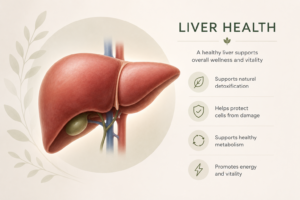
Non-alcoholic fatty liver disease (NAFLD) affects a growing percentage of the global population, and natural interventions with genuine mechanistic backing are in short supply.
- Policosanol might help decrease inflammation in the liver related to fatty liver disease
- Animal research shows a reversal of liver fibrosis markers with regular supplementation
- Enhancements in lipoprotein profile are linked to liver health benefits in research models
- There is limited human data — most of the evidence currently comes from animal models
The connection to the liver is biologically logical. As policosanol impacts cholesterol biosynthesis in the liver and activates AMPK — which controls fat storage and oxidation — it’s only logical that these effects would also apply to hepatic fat buildup and inflammation.
The research, although still in its early stages, supports this theory.
Let’s be clear: there’s not a lot of information on policosanol and fatty liver in humans. The most persuasive data comes from animal studies.
These studies are helpful for understanding how things work, but they can’t be used as definitive proof of benefit in humans. We need more clinical trials before we can make strong recommendations.
Animal Studies Show Positive Effects on Liver Fibrosis
In 2022, an animal study showed that policosanol had a positive impact on fibrotic liver tissue in rats, reducing fibrosis and inflammation markers.
This aligns with a previous study from Cuba in 2003, which found similar liver-protecting effects in the same animal model. The fact that these results have been replicated in nearly 20 years of separate research lends some weight to the liver fibrosis theory.
The development of too much connective tissue in the liver, known as fibrosis, is a condition that gets worse over time. If it’s not stopped, it can turn into cirrhosis and cause liver failure.
Discovering natural substances that can slow down or even reverse fibrosis would be a big step forward in the study of the liver. This is especially true considering there aren’t many drugs that can treat it right now.
The remarkable thing about these animal studies is that the improvements in liver health happened at the same time as improvements in lipid profiles and inflammatory markers.
This suggests that policosanol’s benefits are not just for one organ or pathway, but for the whole body.
Key Finding: A 2022 rat model study found that policosanol was able to reduce markers of liver fibrosis, a finding that was consistent with a 2003 Cuban study that used a similar model. This suggests that the hepatoprotective effect of policosanol may be reproducible and warrants further study in humans.
These findings are preliminary and not yet applicable to clinical recommendations for humans.
However, they do open the door for future trials that could position policosanol as a natural support for liver health, in addition to its already well-established cardiovascular benefits.
Findings of the 2016 Fatty Liver Study
In 2016, a study was conducted that looked at the long-term effects of policosanol supplementation on rats that were fed high-cholesterol diets.
The study found that there were noticeable improvements in blood cholesterol, blood glucose, and HMG-CoA reductase activity — this is the enzyme that is responsible for controlling the production of cholesterol in the liver.
The reduction in HMG-CoA reductase activity is particularly important because when this enzyme is overly active, it is a main cause of both high cholesterol and the accumulation of fat in the liver. This directly links the benefits of policosanol on cholesterol to its potential benefits on liver health.
Health Conditions Under Investigation
There are a number of other health conditions that researchers are investigating for potential benefits from policosanol. While these areas of research are still in the early stages, there is a solid mechanistic basis for each of them.
Two of the most exciting areas of research are mental deterioration and mitochondrial dysfunction. Both of these conditions are closely linked to cellular energy metabolism, which is the same system that AMPK activation affects.
This is why researchers in these fields are so interested in policosanol.
Initial Studies on Memory Loss and Alzheimer’s Disease
Researchers have started to investigate whether policosanol could have a role in preserving cognitive function, especially in relation to memory loss and Alzheimer’s disease.

This connection is based on AMPK activation — a pathway that controls cholesterol and glucose metabolism, but also has a vital role in neuronal energy regulation and amyloid precursor protein processing, both of which are involved in the pathology of Alzheimer’s disease.
Although the research is still in its early stages, the results are promising. The majority of the evidence comes from studies done on cells and animals, rather than human clinical trials. This means that it’s too soon to say that policosanol is a treatment for cognitive health. However, the biological possibility is there.
As the research continues, this could become one of the most convincing uses of the compound. This is especially true when you consider that there are no effective drugs for preventing Alzheimer’s.
Policosanol’s Role in Mitochondrial Dysfunction
A study from 2022 has broadened our understanding of policosanol’s potential benefits by exploring its impact on mitochondrial dysfunction.
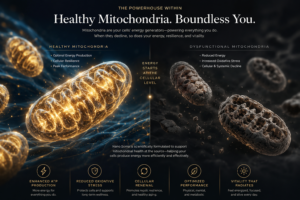
This condition is associated with aging, metabolic disease, neurodegenerative disorders, and chronic fatigue.
Mitochondria are structures within each cell that produce energy, and when they fail to function properly, the effects ripple throughout the entire body.
Policosanol activates AMPK, which directly influences mitochondrial biogenesis and function. This leads researchers to believe that it could be useful in restoring mitochondrial efficiency in damaged cells.
Although this research is still in its early stages, it suggests that policosanol could have therapeutic benefits beyond cardiovascular health, which is an exciting prospect.
Safe Usage of Policosanol
In clinical trials, the most commonly used doses of policosanol range from 5 mg to 40 mg per day. However, the most consistent results in lowering cholesterol levels have been observed in the 10 mg to 20 mg range.
It is usually taken in the evening with meals because the synthesis of cholesterol in the liver is at its highest during the night. This makes the evening the best time to take it for maximum effect.
The preferred form is standardized sugarcane-derived policosanol because of its well-known fatty alcohol profile and the large amount of clinical evidence supporting it.
For those using advanced nano-formulated delivery systems like Nano Soma, the dosing approach may differ. This is because nano-encapsulation can significantly increase bioavailability and cellular uptake compared to traditional oral capsules.
What You Need to Know About the Potential Benefits of Policosanol
When it comes to natural compounds that can help to support cardiovascular and metabolic health, few are as versatile as policosanol.
This compound, which is particularly effective when derived from sugarcane, has been shown to have a wide range of potential benefits. These include everything from reducing LDL cholesterol levels and increasing HDL cholesterol levels, to helping to regulate blood pressure and blood sugar levels.
There is also emerging evidence that policosanol may be beneficial for liver health and may even have cognitive protective effects. It is clear that the potential benefits of policosanol are far broader than most people realize.
Choosing the right source is important, not all policosanol products are made the same – the source material, fatty alcohol profile, and delivery method all play a part in how effective the compound will be.
Sugarcane is still the best source, and advancements in nano-delivery technology are expanding the possibilities of what policosanol can do by significantly improving how the body absorbs and uses it on a cellular level.
FAQ
Many people have questions about Policosanol — especially those who are considering it as a replacement or supplement to prescription drugs. The responses below are based on the existing collection of clinical and preclinical studies.
These are the most frequently asked questions about the benefits, safety, and usage of policosanol:
- Can I safely take policosanol every day?
- How much time does it take for policosanol to lower cholesterol?
- Can policosanol be a substitute for statin medications?
- Is policosanol from sugarcane superior to other sources?
- Is it safe for diabetics to take policosanol?
Each of these questions merits a straightforward, science-backed response — so here they are.
Can Policosanol Be Taken Daily?
According to the latest clinical evidence, it is safe to take policosanol daily.
Numerous trials conducted over several months have shown no serious side effects at doses of up to 40 mg per day.
When side effects do occur, they tend to be minor and include symptoms like headaches, difficulty sleeping, or stomach discomfort. The main safety concern for long-term daily use of policosanol is its antiplatelet properties, especially for people who are already taking blood-thinning medications.
How Long Does It Take for Policosanol to Lower Cholesterol?
Many clinical studies have found noticeable changes in cholesterol levels after 6 to 8 weeks of daily supplementation.
Some trials have seen improvements as early as four weeks, while longer trials have shown continued improvement over 12 to 24 weeks — suggesting that the benefits build up over time rather than reaching a peak quickly.
To get the most out of policosanol, it should be taken consistently and preferably with food in the evening.
Managing cholesterol is a long-term process, and policosanol is most effective when used as part of a comprehensive strategy that includes improvements in diet, regular exercise, and appropriate medical supervision.
Is Policosanol from Sugar Cane Better Than Other Sources?
Based on the evidence, it seems that policosanol derived from sugarcane is the most clinically proven and consistently effective source.
The specific ratio of long-chain fatty alcohols found in sugarcane wax, particularly its high octacosanol content of 60–70%, appears to be responsible for the most potent cholesterol-lowering and cardiovascular effects observed in research.
Policosanol from beeswax, rice bran, or wheat germ has a different fatty alcohol composition and has produced less consistent results in clinical trials.
As we continue to learn more, it’s becoming clear that this compound has a wide range of therapeutic uses.
It works at the cellular level to produce a variety of metabolic benefits.
Whether you’re trying to manage your cholesterol, support healthy blood pressure, regulate your blood sugar, or explore new uses in liver and cognitive health, sugarcane policosanol is a natural option backed by science that is worth looking into.
If you want to enjoy the advantages of policosanol in a cutting-edge delivery method, Nano Soma provides a nano-formulated policosanol spray.
It’s designed to optimize bioavailability and cellular absorption. This product brings the science of sugarcane policosanol into a contemporary, readily available wellness solution.

